As of October 9, 2026, our options-selling-powered dividend stock portfolio stood at $13,643, showing a decent weekly increase of +0.72% compared with the previous week.
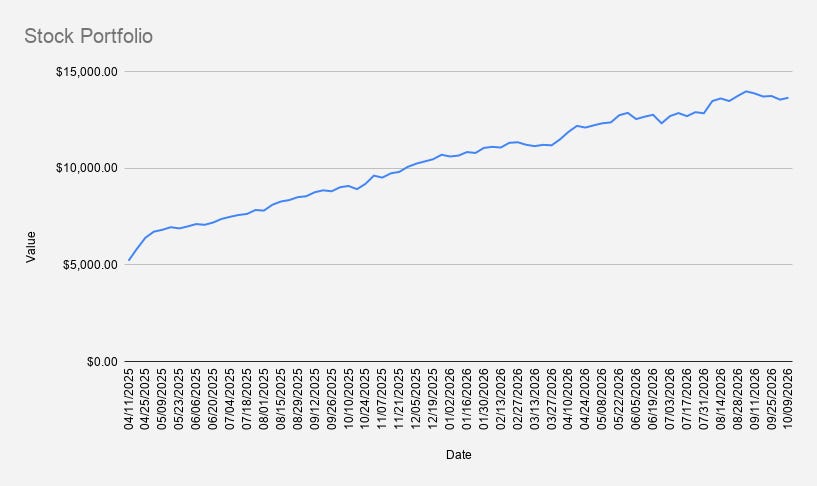
Week 79 brought a significant change to our options-selling strategy. After approximately 18 months of actively managing Nvidia (NVDA) covered calls and weekly credit spreads, we decided to take a break from selling new weekly NVDA credit spreads and redirect some of that activity toward Bristol Myers Squibb (BMY).
The portfolio generated $101.90 in options premium this week, while our year-to-date performance improved to +35.95%.
However, the higher premium income came with a substantial increase in margin borrowing, which reached -$8,358 following our latest BMY buy-write transaction.
Taking a Break From Nvidia Weekly Credit Spreads
Perhaps the biggest strategic decision this week was to temporarily stop opening new weekly NVDA credit spreads.
We have been actively managing Nvidia options for approximately 18 months, using a combination of covered calls, rolls, and weekly credit spreads to generate additional income.
Our latest long-term NVDA covered call has already been rolled all the way to January 21, 2028, with a $130 strike price.
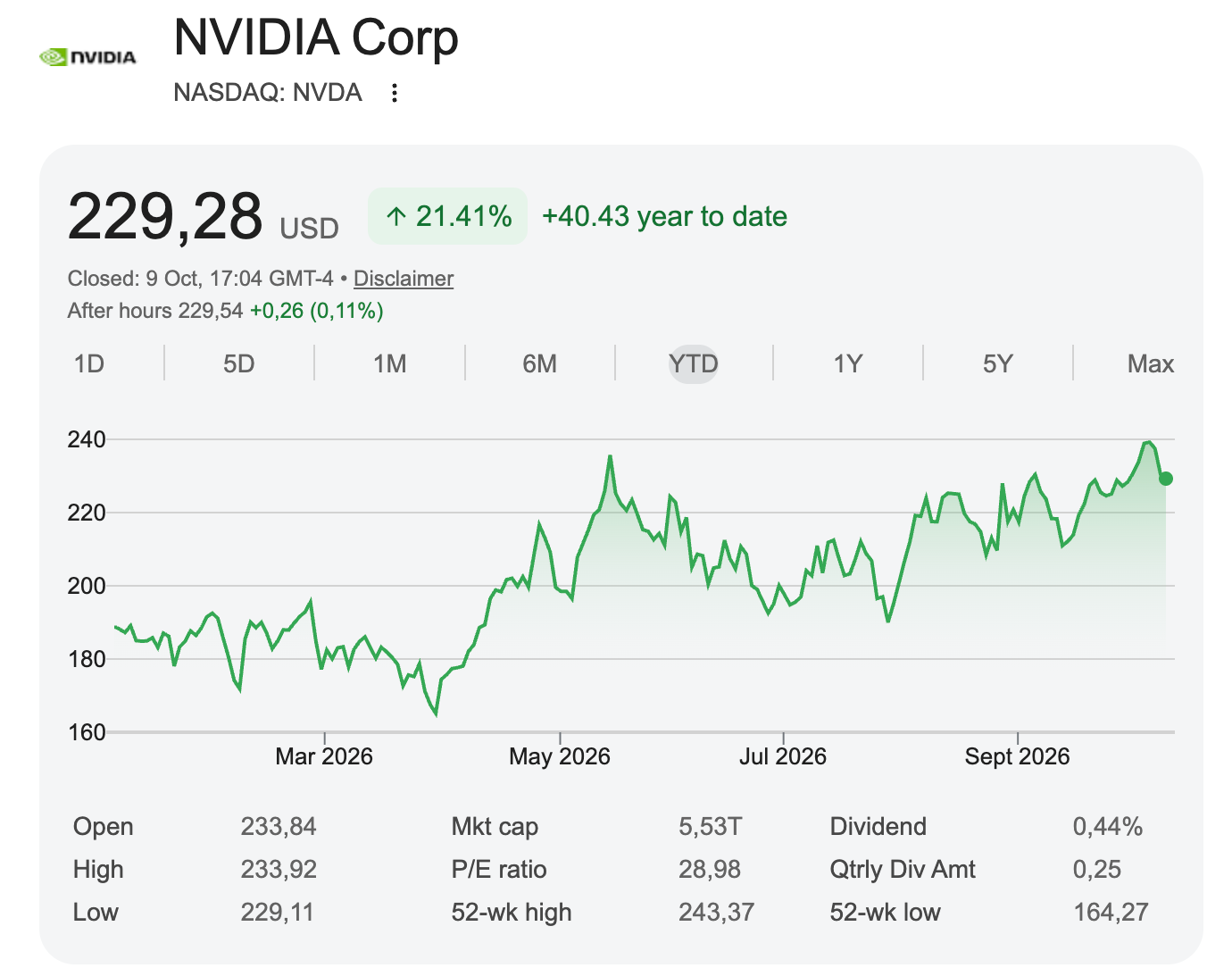
While the stock’s performance has been remarkable, I have become increasingly uncomfortable with continuously selling weekly put credit spreads at elevated valuations.
Even conservative-looking credit spreads can create significant losses if the underlying stock experiences a sharp correction. Collecting another $30 or $40 in weekly premium does not necessarily justify maintaining continuous exposure to the same stock.
After a year and a half of managing Nvidia options, I decided it was time for a pause.
This does not mean abandoning Nvidia. We continue to maintain our long-term covered-call position and a small fractional-share investment.
Bristol Myers Squibb: Our New Weekly Buy-Write Candidate
Bristol Myers Squibb (BMY) was a natural candidate to replace our weekly Nvidia credit-spread activity. We have been gradually building our position in this pharmaceutical company for almost 18 months.
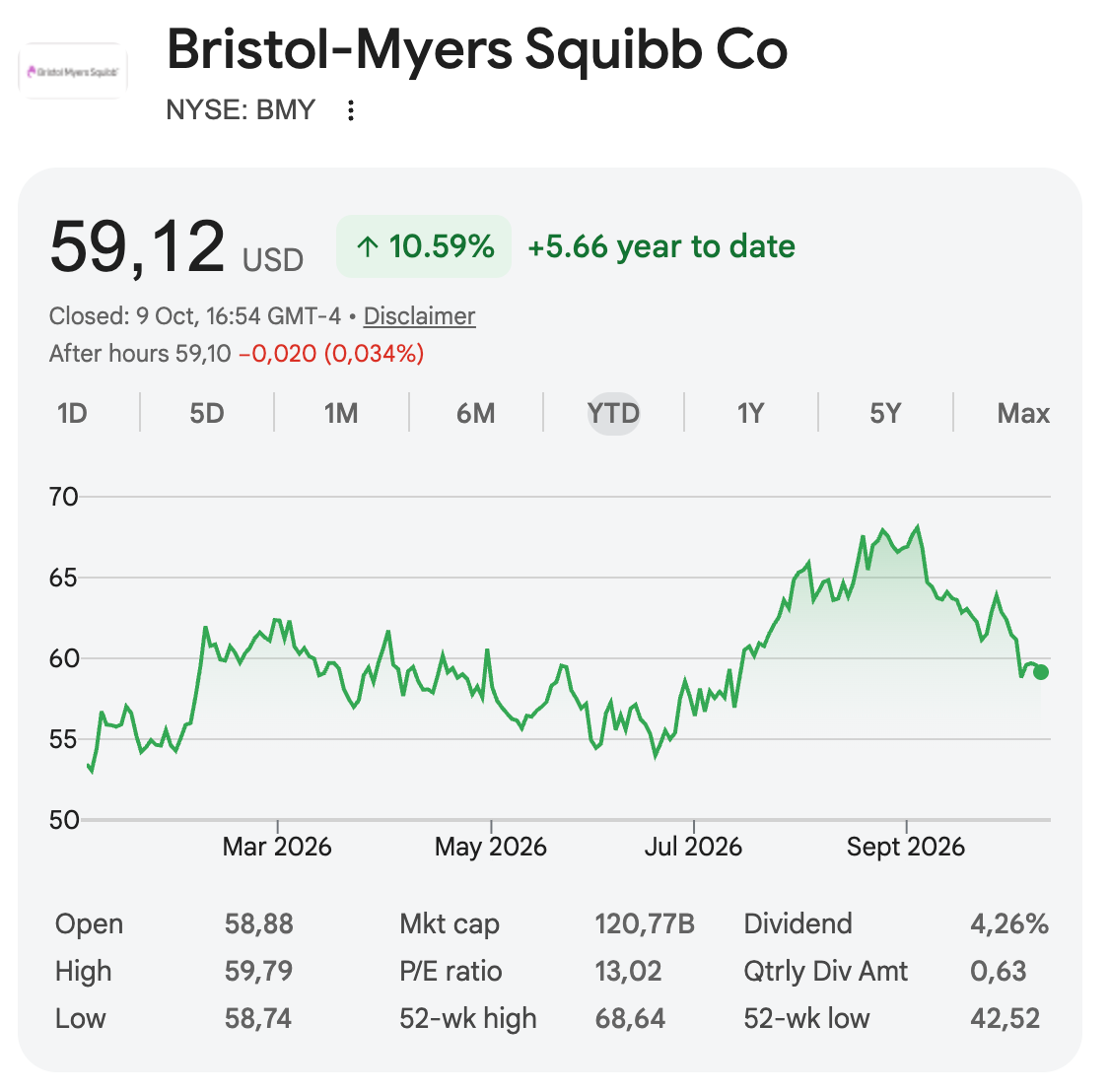
Unlike Nvidia, BMY represents a more traditional dividend-paying business, giving us exposure to another sector while retaining the ability to generate options income.
Of course, pharmaceutical companies carry their own risks, including patent expirations, competition, drug development setbacks, and regulatory uncertainty.
Trade 1: Rolling Our BMY Credit Spread Down and Out
Our first BMY transaction involved rolling an existing October 16, 2026 credit spread to November 20, 2026.
Rather than simply extending the expiration date, we also moved the strikes $2.50 lower, while maintaining the same $5 spread width.
Importantly, we completed the roll for a net credit.
This gave us several improvements:
More time for the position to develop, with the expiration extended by approximately five weeks.
Lower strike prices, providing additional room for BMY to decline, assuming the position remains a bull put spread.
Additional premium collected from the roll.
The same $5 width, keeping the maximum spread loss before credits unchanged at $500 per standard contract.
I consider this a reasonable adjustment, particularly because we managed to improve the strikes without paying a debit.
Trade 2: Buying 100 BMY Shares and Selling an ITM Covered Call
Our second and more substantial transaction was a new weekly buy-write position. We purchased 100 BMY shares and immediately sold an in-the-money covered call expiring October 16, 2026.
Shares purchased: 100 BMY
Purchase price: $59.57 per share
Total stock cost: $5,957
Covered call expiration: October 16, 2026
Call strike: $59
Premium received: $1.31 per share, or $131 total
Effective break-even: $58.26 per share
Maximum gross profit if called away: $74, or approximately 1.24% of the initial stock purchase
Our effective purchase price after collecting the call premium is: $59.57 − $1.31 = $58.26 per share.
The result is a maximum gross profit of $74, equivalent to approximately 1.24% of the original $5,957 stock purchase in one week.
If BMY closes below the strike and the option expires worthless, we retain the shares with an effective cost basis of $58.26, before expenses.
We could then consider selling another covered call in the following week, depending on the stock price and available premiums.
The Uncomfortable Part: Margin Debt Reaches $8,358
While the BMY buy-write represents an attractive potential short-term return, it also introduced a problem I am considerably less enthusiastic about.
The 100 BMY shares were purchased using margin. Following the transaction, our total margin borrowing increased to approximately $8,358.
That is a substantial amount relative to our $13,643 portfolio equity. Our margin debt now represents approximately 61.3% of reported portfolio equity.
This does not mean that 61.3% is our broker’s margin utilization, but it does illustrate how much borrowing we are carrying relative to the portfolio’s net value.
At the current borrowing level, interest expenses and market volatility deserve particular attention.
A sharp decline across several holdings could simultaneously reduce our equity, increase the pressure on margin requirements, and force us to close positions at unfavorable prices. Clearly, this is not an ideal situation.
Nevertheless, the objective of the new BMY position is to generate options income while hopefully allowing the shares to be called away after one week. If that happens, the proceeds from the sale can help reduce the margin balance again.
But there is no guarantee of assignment at expiration, and if the stock falls, we may need to hold the shares longer than planned.
Weekly Options Premium: $101.90
Our reported options premium collected during Week 79 reached $101.90, a noticeable improvement from the previous week’s $51.92.
It was one of our stronger recent weeks for premium generation. However, premium received should not be confused with realized profit. Some of the collected premium relates to open positions that still carry liabilities, and rolling options can generate cash credits without necessarily increasing economic profit by the same amount.
In theory, it would take around 82 weeks, or roughly 19 months, to eliminate the entire margin balance if we applied this amount every week toward repayment.
Of course, this assumes consistent weekly premium collections, no additional borrowing, and no interest expense or trading losses.
To complicate matters further, we continue to reinvest some of the proceeds into fractional shares.
This week, we added:
1 share of Nu Holdings (NU)
0.25 share of BMY
0.1 share of NVDA
These purchases continue our gradual accumulation strategy but also mean that not all available cash is being directed toward reducing margin debt.
It is a balancing act between building long-term positions and strengthening the portfolio’s financial position.
At this stage, I would prefer to see the margin balance gradually decline rather than continue expanding.
Current Open Options Positions
BMY OCT 16, 2026: $59 Covered Call
BAC OCT 16, 2026: $60/$62.50 Bear Call Spread
BMY NOV 20, 2026: $5-wide Rolled Credit Spread, with strikes lowered by $2.50
NFLX NOV 20, 2026: $85/$105 Bear Call Spread
LHA (Frankfurt) DEC 18, 2026: €7 Cash-Secured Put
BAC MAR 19, 2027: $55 Short Put
NFLX DEC 17, 2027: $64 Short Put
NVDA JAN 21, 2028: $130 Covered Call
Our open positions now span several expiration dates, ranging from weekly covered calls to long-dated options extending into 2028.
What We Are Watching Next Week
The coming week will be particularly important for our new BMY strategy.
Our immediate objective is straightforward: we would like to see the October 16 $59 covered call finish in the money and our 100 shares called away, realizing the potential $74 gross profit before expenses.
We will also be watching the BAC October 16 bear call spread and the performance of our recently rolled BMY November credit spread.
For Nvidia, the plan is to remain patient.